
Contents
- 1 Introduction
- 2 Why a Crypto Wallet Matters in 2025
- 3 What is a Crypto Wallet
- 4 Main Types of Crypto Wallets
- 5 How to Set Up Your First Wallet (Step-by-Step)
- 6 Understanding Private Keys & Seed Phrases
- 7 Hot vs Cold Wallet, Which is Right for You?
- 8 Security: How to Protect Your Wallet
- 9 Real-Life Mistakes Beginners Make
- 10 The Rise of Non-Custodial Wallets in 2025
- 11 Quick Reference Glossary
- 12
- 13 FAQs (Frequently Asked Questions)
- 14 Start your secure wallet journey with BitZup today.
Introduction
If you’ve ever wondered how people “store” Bitcoin or send Ethereum across the world in seconds, the answer lies in something called a crypto wallet.
But don’t think of it like your usual leather wallet that holds rupees or dollars. A crypto wallet doesn’t actually store coins it stores keys. Keys that give you access, control, and ownership of your digital assets. Without one, you don’t really “own” your crypto.
In 2025, as millions of new investors jump into Bitcoin, Ethereum, and other digital assets, understanding what a crypto wallet is and how it works has never been more important.
This guide built with insights from BitZup, one of the fastest-growing secure trading platforms will walk you through everything a beginner needs to know:
- What is a crypto wallet (in plain, human words)
- Hot vs cold wallets, and which you should pick
- The difference between custodial and non-custodial wallets
- How to set up and secure your first wallet
- Common mistakes beginners make (and how to avoid them)
- Real examples and practical security checklists
By the end, you’ll not only know how wallets work you’ll know how to actually own your crypto the right way.
Why a Crypto Wallet Matters in 2025
Let’s start simple:
Owning cryptocurrency without having your own wallet is like buying gold but leaving it in a random locker at the mall.
Sure, you technically “own” it but you don’t control it. Someone else does.
A crypto wallet gives you full ownership. It’s your private safe in the digital world. It lets you send, receive, and store crypto securely without relying completely on an exchange or company.
Here’s why that matters:
- Full Ownership:
There’s a famous saying in crypto “Not your keys, not your coins.” If you don’t have your private keys, you don’t truly control your funds. A wallet changes that. - Better Security:
Exchange hacks are real. Phishing scams, data leaks, and insider frauds have cost users billions. With your own wallet, you eliminate that middleman risk. - Accessibility Anywhere:
Wallets let you send or receive money globally, instantly. No banks, no waiting days, no middlemen. - Backup & Recovery:
As long as you’ve saved your seed phrase, your funds can always be restored even if your phone dies or your laptop breaks. - DeFi & NFT Access:
Beyond holding coins, wallets are your gateway to decentralized finance (DeFi), staking, and NFTs.
📊 Stat Check:
According to Chainalysis, users lost over $3.8 billion in exchange hacks in 2022.
Most of those losses happened to people who left funds on exchanges instead of wallets.
💡 BitZup Insight:
Every BitZup user is encouraged to create a personal wallet once they start trading. It’s your best step toward long-term safety and independence.
What is a Crypto Wallet
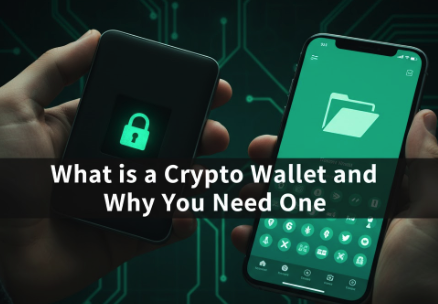
A crypto wallet is a digital tool that helps you store and manage private keys the secret codes that prove your ownership of cryptocurrency.
Imagine your crypto wallet like an ATM card and PIN combined:
- Your public address = your account number (safe to share).
- Your private key = your secret PIN (never share this).
Your coins aren’t inside your wallet they’re recorded on the blockchain.
The wallet just acts like a secure keychain that unlocks them when needed.
So when you “send” Bitcoin to someone, you’re not actually sending coins through the internet. You’re signing a transaction that tells the blockchain, “I authorize this transfer.”
That’s why securing your wallet = securing your entire crypto life.
Main Types of Crypto Wallets
Let’s break down the four main types of wallets you’ll encounter.
Each has its own pros, cons, and best use cases.
1. Hot Wallets (Online Wallets)
Hot wallets are always connected to the internet. These are the most beginner-friendly wallets because they’re easy to set up and quick to use.
Examples:
- BitZup App Wallet
- Trust Wallet
- MetaMask
- Coinbase Wallet
Pros:
- Free to use
- Easy setup
- Great for frequent transactions
Cons:
- More vulnerable to hacks or phishing attacks
- Relies on device and network security
Best for:
New users or traders who make regular transactions.
💡 Real Example:
A user named Priya started trading Bitcoin on BitZup in 2024. She used the BitZup hot wallet to store small amounts for trading daily, while keeping larger funds elsewhere.
Result: Zero downtime, zero losses, easy access.
2. Cold Wallets (Offline Wallets)
Cold wallets stay completely offline, making them almost impossible to hack remotely. They’re hardware devices like USB drives or even paper backups.
Examples:
Ledger Nano X, Trezor Model T, SafePal.
Pros:
- Maximum security
- Immune to online attacks
- Great for long-term storage
Cons:
- Costs between $50–$150
- Less convenient for daily transactions
Best for:
Investors with large holdings or long-term plans.
📌 Quick Fact:
Even major crypto funds and institutions store over 90% of their assets in cold storage wallets.
3. Custodial Wallets
These are wallets managed by exchanges or companies. You don’t hold the private key, the provider does.
Example: BitZup Custodial Wallet, Binance, Coinbase.
Pros:
- Beginner-friendly
- Easy recovery if you lose login credentials
- No technical setup
Cons:
- You rely on the company’s security
- “Not your keys, not your coins” risk
Best for:
Beginners who want simplicity and support.
💡 BitZup Advantage:
BitZup’s custodial wallets are secured with cold storage, 2FA, and real-time transaction monitoring. That means even first-timers can trade and store safely.
4. Non-Custodial Wallets
This is where you hold the keys. No one else can access your funds, not even the company that made the wallet.
Examples:
MetaMask, Trust Wallet, BitZup Non-Custodial Integration.
Pros:
- Full ownership and privacy
- Connects with DeFi, staking, and NFTs
- Immune to exchange shutdowns
Cons:
- Lose your seed phrase = lose everything
- Requires basic crypto knowledge
Best for:
Users who value complete financial control.
Quick Comparison Table
| Wallet Type | Description | Best For | Pros | Cons |
|---|---|---|---|---|
| Hot Wallet | Online app wallet | Beginners, traders | Free, fast, easy | Online hack risk |
| Cold Wallet | Hardware or paper | Long-term holders | Most secure | Costly, slower |
| Custodial | Managed by exchange | Beginners | Easy, recoverable | Not your keys |
| Non-Custodial | User-controlled | Advanced users | Full control | No recovery |
How to Set Up Your First Wallet (Step-by-Step)
You don’t need to be a tech genius to set up a crypto wallet.
Here’s how it works:
Step 1: Choose Your Wallet
If you’re just starting, BitZup offers both custodial and non-custodial options.
You can also try MetaMask (for Ethereum) or Ledger (for hardware).
Step 2: Download or Purchase
- For hot wallets → download BitZup or Trust Wallet app.
- For cold wallets → buy from official stores only (avoid Amazon resellers).
Step 3: Create Your Wallet
Follow the app’s setup process. You’ll receive a 12–24 word seed phrase—the master key to your funds.
Step 4: Write Down Your Seed Phrase
Never take screenshots.
Write it on paper or engrave it on a metal backup plate.
Keep copies in two safe locations.
Step 5: Set a PIN and Enable 2FA
Extra protection in case someone gets access to your device.
Step 6: Add Funds
Copy your public wallet address (or scan QR) and transfer from an exchange like BitZup.
Step 7: Backup Regularly
Make sure your seed phrase and device backups are safe and accessible.
📘 Case Study:
In 2023, a trader named Vivek lost ₹85,000 in Bitcoin because he stored his seed phrase in a note-taking app. A malware infection exposed it.
👉 Lesson: Offline > online. Always.
Understanding Private Keys & Seed Phrases
Think of your private key as a secret password that unlocks your funds.
Now imagine your seed phrase as a human-readable version of all your private keys, your master backup.
Example:
Private Key: 5KJvsngHeMpm884qw....
Seed Phrase: “moon garden drum peace lamp tiger …”
Lose either one, and your crypto is gone forever.
🧠 Rule of Thumb:
Your wallet app can be reinstalled, your phone can be replaced but your seed phrase? Irreplaceable.
💡 BitZup Tip:
When setting up your BitZup wallet, use the built-in backup feature that walks you through storing your seed phrase safely offline.
Hot vs Cold Wallet, Which is Right for You?
If you trade daily or handle small amounts, hot wallets are perfect.
They’re free, fast, and always accessible.
If you’re saving large holdings or planning long-term, go cold.
Hardware wallets give unmatched protection.
A Balanced Approach:
Many smart traders do this:
- Keep small funds in BitZup Hot Wallet for trading.
- Store big savings in Cold Wallet for safety.
That way, you get convenience and peace of mind.
Security: How to Protect Your Wallet
Your wallet’s security depends on your habits.
Here’s how to stay safe:
1. Beware of Phishing
Always type URLs manually.
Fake wallet sites or emails are common traps.
2. Use Strong Passwords + 2FA
Never reuse passwords.
Activate 2FA on your BitZup and wallet apps.
3. Keep Devices Clean
Use antivirus software. Avoid installing unknown extensions or APKs.
4. Test Before Big Transactions
Send small test amounts first, confirm receipt, then send the full amount.
5. Backup Securely
Create two copies of your seed phrase. Store them in different physical places.
📌 Case Study:
In 2021, a user downloaded a fake “Ledger Live” app and lost $15,000 overnight.
The fake app had identical branding.
Lesson: Only download from official websites and verified stores.
Real-Life Mistakes Beginners Make
Here are a few “don’ts” you’ll thank yourself for knowing:
🚫 Don’t store seed phrases in screenshots.
🚫 Don’t click “support” links on Telegram or Twitter.
🚫 Don’t use shared computers for wallet logins.
🚫 Don’t assume your exchange = your wallet.
✅ Do use official wallets like BitZup’s verified app.
✅ Do move funds to cold storage once you build savings.
✅ Do review your wallet activity weekly.
The Rise of Non-Custodial Wallets in 2025
In 2025, decentralization is the new norm.
Non-custodial wallets have become the go-to choice for users who want to truly own their crypto.
Why? Because they represent freedom.
You don’t depend on a company. You don’t fear withdrawal bans.
Your crypto lives under your control.
BitZup’s hybrid model allows users to trade easily while still maintaining control through linked non-custodial options a win-win for both security and convenience.
Quick Reference Glossary
| Term | Meaning |
|---|---|
| Address | Public code to receive crypto |
| Private Key | Secret access code to your funds |
| Seed Phrase | Backup words for wallet recovery |
| Custodial Wallet | Wallet held by exchange |
| Non-Custodial Wallet | Wallet controlled by you |
| Hot Wallet | Online, convenient, less secure |
| Cold Wallet | Offline, ultra-secure |
| QR Code | Code for scanning wallet address |
| 2FA | Two-Factor Authentication for extra safety |
FAQs (Frequently Asked Questions)
- Do wallets hold actual coins?
No, they hold the private keys that control your coins on the blockchain. - What if I lose my phone?
Use your seed phrase to restore your wallet on another device. - Are wallets free?
Yes, hot wallets are free. Hardware wallets cost extra for security. - Which is safer: hot or cold?
Cold wallets are offline and safest for large holdings. - Can I use one wallet for multiple coins?
Yes, multi-asset wallets like BitZup support 100+ coins. - Can a wallet be hacked?
Hot wallets can if you’re careless. Cold wallets are nearly hack-proof. - What’s a seed phrase?
A list of 12–24 words that restores your wallet. Never share it. - Custodial vs Non-Custodial: what’s better?
Custodial = convenient; Non-Custodial = full ownership. - Do wallets charge fees?
Wallets don’t. Blockchain transactions do. - Can I restore my wallet on another phone?
Yes, with your seed phrase. - What happens if I forget my password?
You can restore using your seed phrase. - Is QR safe to use?
Yes, just ensure it’s from your own app. - Can I have multiple wallets?
Absolutely. Many people use one hot and one cold wallet. - Are BitZup wallets secure?
Yes, BitZup uses cold storage, encryption, and 2FA. - Can I send crypto between wallets?
Yes, just copy the correct address. - Can I back up my wallet digitally?
Never online, keep offline backups only. - What if I lose my seed phrase?
Unfortunately, you lose access permanently. - Do wallets support DeFi apps?
Yes, non-custodial wallets do. - How long does it take to set up?
Less than 5 minutes on BitZup. - Why do I even need one? Because wallets give you real control, not borrowed access.
Start your secure wallet journey with BitZup today.
Key Takeaways
- Wallets don’t hold coins they hold keys.
- Custodial wallets are easy; non-custodial = total ownership.
- Always back up your seed phrase offline.
- Hot wallets = convenient; cold wallets = safe.
- For long-term peace of mind, combine both.
💡 Pro Tip: BitZup’s guided wallet setup walks you through these steps ensuring your funds are safe from day one.
Set Up Your First Wallet with BitZup
You’ve learned the “what” and “why.”
Now it’s time for the how.
With BitZup, you can:
- Create your first wallet in minutes
- Store Bitcoin, Ethereum, and 100+ tokens securely
- Use 2FA, PINs, and cold storage integration
- Access instant fiat withdrawals when needed
- Get 24/7 support for setup and recovery
🎯 Take Control of Your Crypto Future.
Ready to transition from a vulnerable holder to a digital asset security master? Check our Crypto Security Checklist to audit your current long-term crypto storage setup and ensure every key, every backup, and every account is fully secured.
👉 Ready to stake safely? Start staking on the BitZup App and compare rewards with other exchanges. Join thousands of beginners already earning safely with BitZup.
–> Follow us on X and Medium for regular updates , More Blogs
Not financial advice. Always follow your local laws and do your own research.